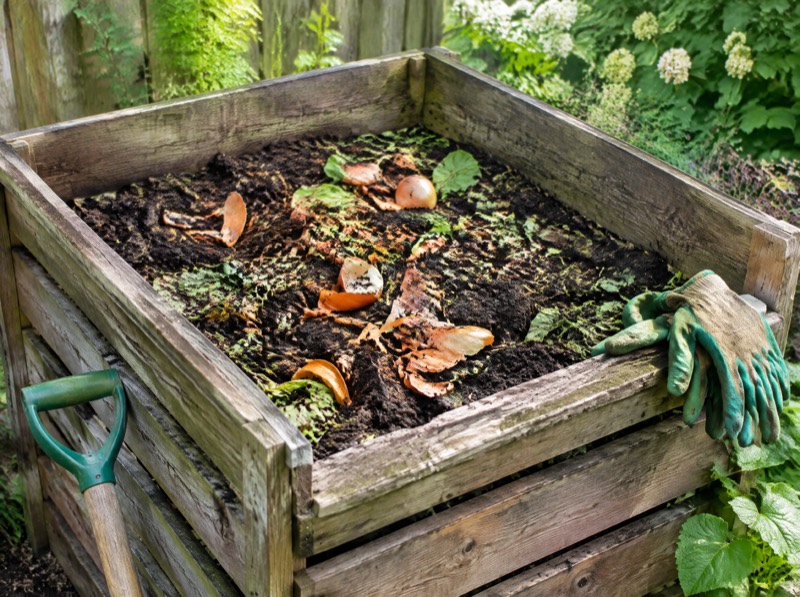
Compost happens whether you understand it or not — but a little knowledge turns a slimy heap into dark, crumbly soil in months. The beginner's guide.
Every gardener eventually arrives at the same realisation: the best thing you can put on your garden is free, and you have been throwing it away. Composting is nature's oldest recycling programme, and a well-run heap turns kitchen scraps and garden waste into something garden centres sell by the bag.
The two ingredients
Compost needs a balance of two materials, and getting this balance right is ninety per cent of the job. Greens are soft, moist and nitrogen-rich: vegetable peelings, coffee grounds, fresh grass clippings. Browns are dry, woody and carbon-rich: fallen leaves, cardboard, straw, woody prunings. Aim for roughly one part greens to two or three parts browns by volume.
The classic beginner failure is an all-greens heap — the soggy, smelly sludge that puts people off composting for life. That smell is simply nitrogen with nowhere to go. Add torn-up cardboard and brown cardboard egg boxes, and the heap rebalances within days.
What to include — and what to leave out
Yes: fruit and vegetable scraps, coffee grounds and filters, tea bags (plastic-free ones), eggshells, spent cut flowers, lawn clippings in thin layers, autumn leaves, shredded cardboard and paper. No: cooked food, meat, fish, dairy, and pet waste — these attract vermin rather than the microbes you want. Avoid perennial weeds and diseased plants in a cold heap; a hot heap will kill them, but a beginner's heap usually will not.
Speed comes from air and size
The microbes that make compost need oxygen. Turning the heap — simply forking it from one bay into another every few weeks — introduces air and can cut the time from a year to three or four months. Chopping material small helps too: a whole cabbage stalk takes an age to break down; the same stalk in pieces disappears by summer.
Knowing when it is ready
Finished compost is dark, crumbly, and smells like the floor of a woodland. If you can still recognise the original ingredients, it needs more time. There is no such thing as compost that is too finished — but there is compost that has been left so long the rain has washed the goodness out of it. Cover your heap, be patient, and start the next batch while the first one works.